What We Do

Services

Here's the full list of concrete work we take on, from new pours to fixing old ones.

HomeServices

Everything we take on

Every job below is one we do ourselves across Mishawaka.

Concrete Driveways

We excavate, compact a gravel base, and form the driveway before any concrete gets poured, since that base decides whether it settles evenly or not. We reinforce with rebar or wire mesh depending on the soil and traffic, and cut control joints the same day so the slab cracks where we planned instead of down the middle.

Concrete Patios

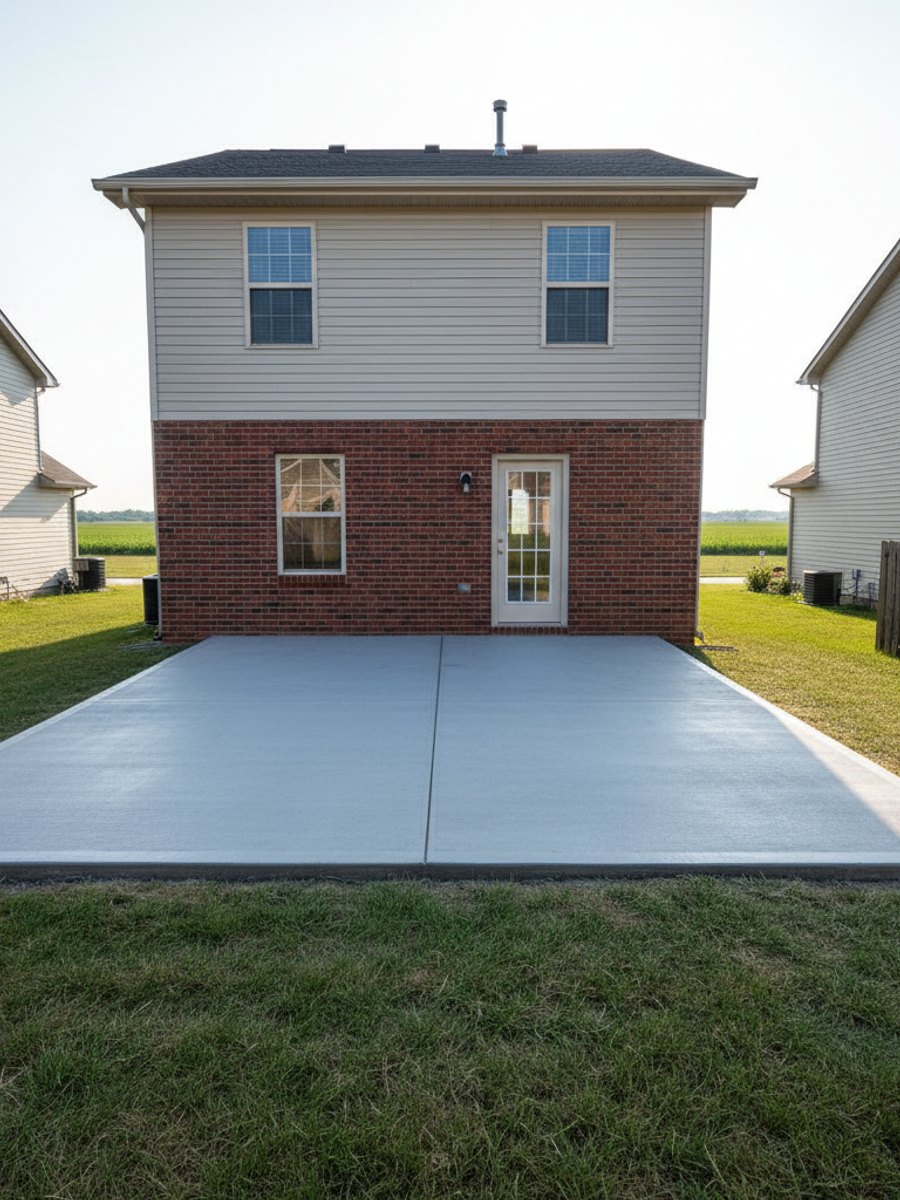
Patios get a broom finish, exposed aggregate, or a stamped pattern, whatever fits how you'll actually use the space. We slope every pour away from the house so water doesn't pool against your foundation come spring thaw.

Stamped Concrete

Stamped concrete gets you the look of flagstone, brick or slate at a fraction of the cost, with none of the joints where weeds and ants get in. We seal it after curing to hold the color and keep salt from eating the surface over winter.

Concrete Repair

Not every crack means a full replacement. We patch surface spalling, fill and seal cracks before water gets in and freezes, and re-level sunken slabs with polyurethane foam instead of ripping out concrete that's otherwise fine.

Concrete Sidewalks & Walkways

Uneven walkways are a trip hazard and a liability, especially once ice sets in. We pour to grade, slope for drainage, and make sure the finish gives enough traction that you're not fighting for footing in January.

Garage Floor Concrete

Garage floors take a beating from road salt, oil and the weight of parked vehicles, so we use a higher-strength mix with a vapor barrier underneath to stop moisture from wicking up. A broom or sealed finish keeps it from dusting over time.

Concrete Steps & Porches

Steps get built to the rise and run your local code requires, not guessed at. We tie new steps into the existing slab or foundation properly so they don't pull away and crack within a year or two.

Sunken Concrete Leveling

A sunken slab next to a step or driveway is usually a base problem, not a concrete problem. We can often raise it back to grade with polyurethane foam injection in a few hours, without tearing out and repouring the whole section.

Exposed Aggregate Concrete

Exposed aggregate gives you a textured, slip-resistant surface that holds up well around pools and patios. We wash and expose the stone at the right point in the cure, since timing that wrong leaves it looking patchy or too rough.

Retaining Walls & Foundations

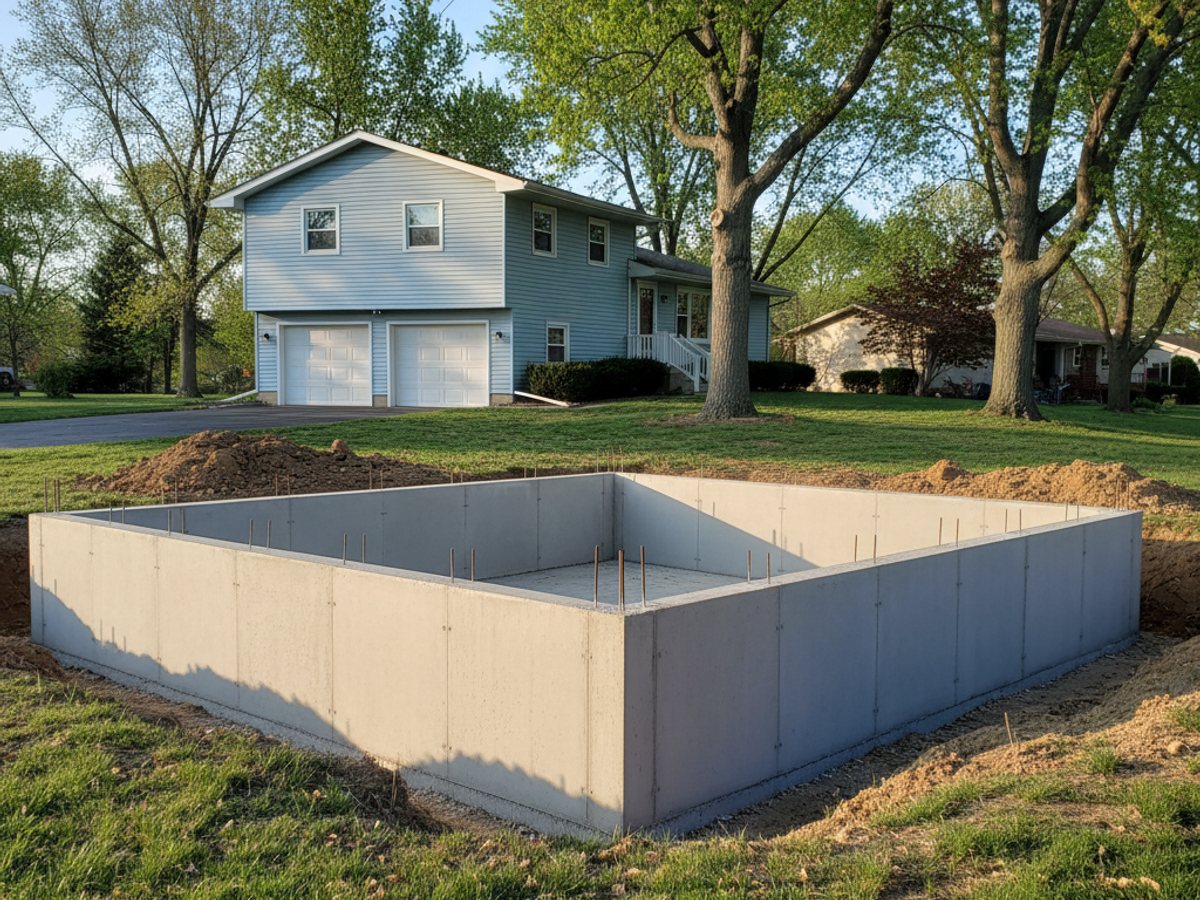
Beyond flatwork, we pour footings, small foundations and retaining walls for landscaping and drainage projects. If your yard has a grading problem that keeps sending water toward the house, a retaining wall is often the fix, not another drain.

How It Works

Four steps, and no surprises in any of them.

01

We come and look

You tell us what you want doing, we look at what is actually there, and we ask the awkward questions early.

02

You get a price

In writing, itemised, free. If something might add cost later we flag it now rather than at the end.

03

We do the work

Same crew throughout. We cover your floors, keep the dust down and tidy up before we leave each day.

04

We walk it with you

You point out anything you are not happy with and we fix it before the invoice, not after.

Where We Work

All of this, across Mishawaka, IN

This is the area we're able to reach for concrete work without adding drive time to your quote.

Mishawaka, IN
South Bend, IN
Elkhart, IN
Goshen, IN
LaPorte, IN
Warsaw, IN
Niles, IN
Plymouth, IN
Nappanee, IN
Bremen, IN
Middlebury, IN
Common Questions

Things worth asking

Questions that come up once a concrete project is actually underway.

Do I need a permit for a new driveway or patio?
Permit requirements for concrete work vary by municipality, but a new driveway apron connecting to a public street usually requires a permit and sometimes a city inspection. A standalone backyard patio typically doesn't need one unless it affects drainage or property setbacks. Checking with the local building department before pouring avoids having to redo work that fails inspection.
How long does a concrete pour take to finish?
The actual pour and finishing for a typical driveway or patio takes one to two days, but the full project timeline includes excavation, forming and base prep beforehand. Concrete needs about 24 to 48 hours before it can be walked on and roughly 7 days before light vehicle traffic. Full cure strength takes about 28 days, though the surface is functional well before that.
Can you work within a set budget for a concrete project?
Concrete projects can be adjusted to fit a budget by changing slab thickness, reinforcement type, or finish, since a plain broom finish costs significantly less than stamped or exposed aggregate concrete. Reducing square footage or phasing a project, doing the driveway now and a patio later, is another common way to control cost. Discussing budget upfront lets a contractor recommend the best trade-offs.
Do you guarantee your concrete work?
Reputable concrete contractors typically offer a workmanship warranty covering cracking, settling or finish defects for a set period, often one to five years, separate from any material warranty. Concrete does develop hairline shrinkage cracks as a normal part of curing, which isn't usually covered since it's not a workmanship defect. Ask what specifically is and isn't included before signing a contract.
Who will I be dealing with day to day during the project?
On most residential concrete jobs, a crew lead or foreman is the main point of contact on site day to day, handling scheduling questions and any changes that come up. The person who gave the original quote is often available for bigger decisions, like a change in scope. Getting a direct phone number for the job site contact before work starts is standard practice.
What kind of concrete mix do you use?
Residential concrete work in colder climates should use air-entrained concrete, which has microscopic air bubbles mixed in to let the slab expand and contract without cracking during freeze-thaw cycles. Standard mixes run around 3,000 to 4,000 PSI for driveways and patios, with higher strength mixes used for garage floors or areas with heavy vehicle loads. Fiber mesh is often added to reduce shrinkage cracking during curing.
Can I still use my driveway or yard during the concrete work?
Access to a driveway is typically blocked from the demo and pour through the initial cure period, usually about a week before it can handle vehicle weight again. Parking on the street or in a neighboring spot during that window is the usual workaround. The rest of the yard generally stays usable unless equipment needs to cross it to reach the work area.
How should I prepare my property before concrete work begins?
Moving vehicles, patio furniture, and anything breakable away from the work area before a crew arrives speeds up the job and avoids damage. Marking or noting the location of buried sprinkler lines, invisible fencing, or septic components helps avoid costly surprises during excavation. Clearing a path for equipment access, especially for backyard pours, also matters.
What happens if you find something unexpected once you start digging?
Unexpected finds during excavation, like old buried concrete, tree roots, or soft unstable soil, usually mean adjusting the base prep or removing the obstruction before pouring can continue. This can add time and cost to a project, which is why a reputable contractor communicates the issue and gets approval before proceeding rather than absorbing it silently into the final bill. Soft or expansive clay soil sometimes calls for extra sub-base material to keep the slab from settling unevenly.
How do I take care of my new concrete once it's poured?
New concrete needs to cure for at least 7 days before heavy use and about 28 days before full strength is reached, so vehicle traffic and heavy furniture should wait. Sealing the surface every two to three years helps protect against water intrusion and salt damage, especially important in climates with winter road salt. Avoiding deicing salt on new concrete for at least the first winter reduces the risk of surface scaling.

Not sure what you need?

Describe the problem and we will tell you what it probably is. No obligation.
Call (574) 230-5087